

What traditional Panamanian food tells you about the country
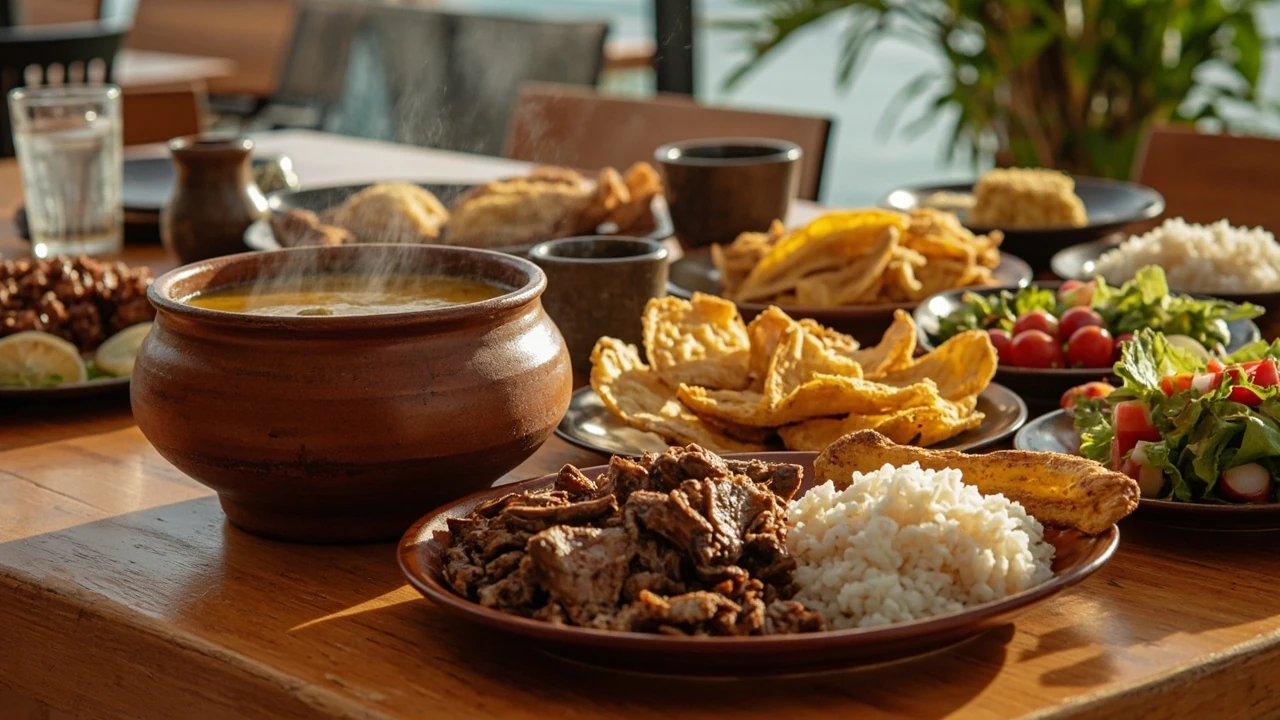
Ordering sancocho at a neighborhood restaurant in Panama City puts you closer to the country than a formal tasting menu designed mainly for visitors. The soup arrives in a clay pot, deeply seasoned and crowded with pieces of meat, root vegetables, corn, and plantain. It is served for breakfast, lunch, or Sunday gathering rather than reserved for a special occasion. That distinction matters: traditional panamanian food is rooted in household cooking, regional ingredients, and meals shared over time. It is also far more varied than one national recipe.
Panama’s food reflects several histories at once. Indigenous peoples developed cooking traditions based on local ingredients, while Spanish and other European influences reshaped everyday meals. African culinary practices also became part of the country’s food culture, especially through the experiences of people brought to Panama and the Caribbean coast through the transatlantic slave trade and later migration from the Caribbean. More recent influences come from the United States, China, and the wider Americas. Traditional panamanian food is therefore not a fixed museum of old recipes. It is a living collection of dishes shaped by geography, trade, work, family, and adaptation.
Start with the combination of starches, meat, vegetables, and sauces that appears across the country. Sancocho is often the centerpiece, but rice, corn, plantains, beans, and seafood appear just as often. Strong flavors are balanced with sweet, salty, acidic, and earthy elements. Portions can be generous. A single bowl of soup may be enough for breakfast, while a family lunch can include several shared plates that leave leftovers for later.
Begin with sancocho, Panama’s most recognizable everyday dish
Sancocho is the dish many travelers meet first, but its name covers a family of soups rather than one fixed recipe. The foundation is usually a meat broth with sofrito, garlic, onion, tomato, and herbs. Pieces of beef, pork, chicken, or a combination may appear, along with plantain, yuca, pumpkin, corn, potato, or other seasonal vegetables. The result should be a substantial soup with tender meat and soft vegetables, not a thin consommé.
Some cooks add seafood or shellfish, while others make a chicken version for lighter occasions. Corn is common, but its texture and sweetness can vary considerably. When ordering, it is useful to ask what is in the pot rather than assume every version is identical. A diner who does not eat a particular meat or ingredient can request clarification more effectively by asking about the day’s version.
How the soup is served also varies. In a family-style setting, it may arrive in a clay cazuela with utensils and separate plates. Restaurants serving breakfast may offer a smaller individual portion alongside eggs, plantains, or coffee. At a Sunday meal, the pot can sit at the center of the table with rice, salad, and fried sides arranged around it.
Do not judge sancocho only by its list of ingredients. The useful signals are aroma, color, and texture. A well-made version tastes layered rather than simply salty, and the vegetables should have absorbed the broth without dissolving completely. A filling bowl with several distinct components is usually a better sign than a small, watery serving.
For visitors who want to compare local food traditions, the food-focused reporting on Myanmar beyond the postcard offers a useful reminder that a country’s best-known dishes sit within a much larger regional cuisine.
Choose ropa vieja and other meat dishes with a sense of place
Ropa vieja is shredded beef simmered slowly until the fibers become tender and absorb the sauce. It is usually served with white rice and often accompanied by fried plantains or patacones. The name refers to the appearance of the cooked meat, which resembles old clothing. Although it may appear on menus designed for tourists, it also fits the country’s habit of turning tough cuts and slow cooking into satisfying family meals.
Good ropa vieja depends on more than the cut of beef. The meat needs enough time to become tender without losing all its texture, while the sauce should carry onion, garlic, herbs, and other aromatics. Some versions use a mild tomato-based sauce; others are darker and more intensely seasoned. Restaurants can vary significantly, so the first spoonful is the best guide to whether the dish suits your preferences.
Other Panamanian meat preparations include chicken prepared with herbs, garlic, or a rich sauce, as well as pork combinations that may feature fried pieces, sausage, or thick stews. These dishes vary by household and restaurant, but they share a preference for generous seasoning and starches eaten together. The resulting plate is usually more substantial than a simple meat-and-vegetable entrée.
Seafood becomes more prominent near the coast and on the Caribbean side, though it is available throughout Panama City as well. Whole fish may be fried or grilled, fish fillets may arrive with rice and salad, and shrimp or lobster can feature in richer preparations. Ceviche is a common coastal dish in which raw seafood is dressed with citrus and aromatics. Because freshness and preparation style matter, visitors with sensitivities should ask the restaurant how a particular seafood dish is handled.
The table below compares several central dishes by their main ingredients, typical accompaniments, and the role they often play on a Panamanian table.
| Dish | Main ingredients | Common accompaniments | What to expect |
|---|---|---|---|
| Sancocho | Meat broth, sofrito, plantain, corn, and other vegetables | Rice, salad, plantains, or patacones | A filling soup whose recipe changes by home and restaurant |
| Ropa vieja | Slow-cooked shredded beef and aromatic sauce | White rice and fried plantains | Tender meat with a strongly seasoned, often tomato-based sauce |
| Patacones | Green plantain flattened and fried | Meat, cheese, eggs, or vegetables | A crisp-edged, substantial side that behaves like a starch |
| Carimañolas | Mashed plantain filled with meat, cheese, or another filling | Sauce, salad, or rice | A shaped fried parcel with a soft plantain shell |
| Ceviche | Raw seafood cured with citrus and aromatics | Plantains, lettuce, avocado, or pepper | A bright coastal preparation whose texture depends on the fish and cure |
| Fried fish | Whole or portioned fish seasoned and fried | Rice, patacones, salad, or plantains | A straightforward coastal meal with crisp skin and a tender interior |
Order patacones, plantains, and rice as part of the meal
Plantains are not simply a side dish in Panama. They appear green, ripe, fried, boiled, mashed, or folded into filled pastries. The distinction between cooking bananas and plantains matters because the fruit is firmer and less sweet when green. It is cooked into patacones and carimañolas rather than eaten as a sweet breakfast banana.
Patacones begin as green plantains that are boiled until tender, then flattened and fried. They function more like a bread or potato than a vegetable garnish. Two patacones can take up as much room on a plate as a serving of fries. They are commonly served with meat, fried eggs, cheese, or seafood, and they can be the main reason a simple plate feels complete.
Carimañolas offer a different use for the same fruit. Cooked plantain is mashed, shaped around a filling, and fried until the exterior is crisp. Beef, chicken, cheese, and combinations are possible. A filled carimañola can be substantial on its own, so it is worth considering before ordering several heavy sides.
White rice appears at nearly every lunch and dinner. It is not usually the star, but its role is essential: it absorbs sauces, balances fried food, and turns individual ingredients into a composed meal. Garlic rice may also appear, especially alongside chicken, seafood, or pork. Fried rice is common, though its ingredients and seasoning vary widely.
Other starches include boiled green plantain, yuca, cassava, corn cakes, and bread. Corn cakes are commonly served as a side with breakfast or dinner. Their texture ranges from soft and corny to lightly crisp, depending on the recipe and cooking method. They can accompany eggs, cheese, meat, or stews.
Use a simple checklist when deciding what to order:
- Choose one substantial main dish, such as sancocho, ropa vieja, fish, or chicken.
- Add one starch, choosing between rice, patacones, boiled plantain, or corn cakes rather than ordering every option.
- Include a fresh side when the main is rich, such as lettuce, tomato, avocado, or a simple salad.
- Add a fried side only if the main portion is small or if everyone at the table is sharing.
- Save room for a cooked sweet or dessert if the restaurant offers one.
This approach avoids the common mistake of ordering only the most famous dish. Traditional Panamanian meals are often built through contrast: a moist main against something fried, a rich sauce beside fresh salad, and a starchy foundation that makes the portion substantial.
Explore tamales, bollos, and the breakfasts that begin the day
Panamanian mornings often begin with something cooked rather than with the packaged cereal common in many North American kitchens. A café or family-run breakfast spot might serve eggs, rice, plantains, cheese, meat, or a dish called a bollo. Depending on the recipe, a bollo is a corn-based accompaniment shaped and steamed, then served with savory toppings or alongside sweet combinations.
Tamales are another traditional preparation associated with regional and family cooking. Wrapped in corn husks, they can contain meat, cheese, vegetables, or a mixture, and they may be steamed or cooked in a pot. Some communities have their own celebratory tamale traditions, while restaurants may serve versions adapted for everyday breakfasts and casual meals. The filling and wrapper are the clearest way to distinguish one from another.
The word “traditional” deserves some care. A dish can be widely popular without being inherited in the same way, and an inherited family recipe may not appear on restaurant menus. As the background to how food traditions are defined and distinguished from popular cuisine explains, culinary customs and commercial popularity overlap, but they are not identical. For a visitor, the best approach is to treat famous Panamanian dishes as entry points rather than a complete checklist.
Sweet corn cake also appears on breakfast plates, sometimes plain and sometimes accompanied by cheese or egg. Sweet pastries, cookies, and rice-based puddings appear in local bakeries and homes, but availability varies by region and establishment. Rather than assuming one sweet is the national breakfast, ask what is prepared that morning or look for what is displayed near the counter.
Coffee and tea are common breakfast drinks, and fruit juices are widely available. Fresh fruit should not be confused with a blended drink made from a particular regional crop; the menu’s wording matters. A visitor with a sweet preference may enjoy a café con leche, while diners looking for a more robust cup may ask how the coffee is prepared.
Breakfast is also one of the easiest times to sample sancocho without ordering a large dinner. It also means the most familiar staples may be less available. Restaurants focused on lunch may close before breakfast or change their menu, and specialty dishes can run out early. If a specific preparation is important to your visit, go early rather than assuming it will be available later.
A useful breakfast comparison looks like this:
| Breakfast style | Typical components | Best for | What to ask |
|---|---|---|---|
| Sancocho breakfast | Meat-and-vegetable soup, sometimes with eggs, rice, or plantain | A filling, traditional start to the day | Ask which meat and vegetables are in the pot |
| Eggs with plantains | Fried or scrambled eggs, cooked plantain, and bread | A familiar breakfast with local produce | Confirm the cooking style and any hot sauce |
| Corn cake breakfast | Corn cake with egg, cheese, or meat | A hearty regional starch | Ask whether the cake is steamed, cooked, or fried |
| Tamale breakfast | Corn-husk-wrapped tamale with savory or sweet accompaniments | Exploring a traditional preparation | Ask about the filling and available varieties |
Understand how geography changes a shared national cuisine
Panama is narrow, but it contains several distinct landscapes, including coastal lowlands, central highlands, and areas influenced by the Caribbean. Local ingredients and cooking customs vary with access to seafood, livestock, fruit, and cultivated foods. As a result, two dishes with the same name may not be identical from one province or coastal community to another.
Sancocho provides the clearest example. A version built around beef may differ from a chicken-based soup, and a seafood interpretation can reflect coastal availability. Recipes may also change within Panama City as cooks bring family methods from other parts of the country. This variation is not an inconsistency to correct at the table. It is evidence that national cuisine is assembled from regional and household traditions.
The Caribbean coast has a strong tradition of seafood, coconut, plantain, and pepper-based preparations. Coastal restaurants may serve fish, shrimp, crab, or lobster in styles that differ from Pacific dishes. Central and highland areas offer more opportunities to encounter chicken, beef, pork, root vegetables, corn, and beans in land-based meals. Panama City’s restaurant culture brings many regional styles together, so a city visit can provide a broad sample but not a substitute for a local food culture elsewhere.
Consider a few geographic distinctions while traveling:
- Ask whether a seafood dish reflects the Pacific or Caribbean coast when the restaurant offers a regional distinction.
- Expect sancocho recipes to reflect the cook’s background, particularly the meat and vegetables used.
- Look for corn cakes and tamales when visiting communities where Indigenous and rural cooking traditions have a visible presence.
- Taste family-style meals as an alternative to ordering the same dishes found in downtown tourist restaurants.
- Ask local residents which preparation they consider especially representative of their own community.
That final question can be more valuable than a list of supposed must-eat dishes. People can identify dishes that have become common in city dining while still distinguishing the versions closest to home. The exchange also helps explain why recipe names and ingredients differ from one side of the country to another.
Order at a Panamanian restaurant without overloading the table
Menu language can be simplified by knowing how meal sizes work. A casa de comidas may offer one main dish with rice, salad, and plantains, while a larger restaurant may serve the same food à la carte. A soup and a full entrée can each look modest on the menu yet fill the plate differently. Panamanian portions are often generous, especially when several starches are included automatically.
Before ordering, consider whether the dish is soup, stew, fried food, or a main plate. Sancocho may arrive with enough bread and sides for a light meal. Ropa vieja with rice and patacones can function as a complete lunch. Ceviche and fried fish may be accompanied by substantial starches rather than a small salad. A useful question is: “Does this come with sides?”
For spice, the sauce is often available separately. Its intensity varies by recipe and restaurant, so adding a spoonful at a time gives more control than asking for an unmeasured pour. Fresh hot sauce may combine chilies with garlic, tomato, lime, herbs, or vinegar. It can add brightness as well as heat, especially to bland rice, beans, or meat.
Meals become easier to navigate with a few practical rules:
- Read the list of included accompaniments before adding rice, plantains, or bread.
- Order fried sides for sharing when several rich main dishes are already on the table.
- Choose one seafood dish and one meat or soup dish for a mixed group.
- Ask for extra sauces or toppings only after tasting the food.
- Keep the first dish simple if you want to compare its seasoning with another preparation.
Service customs can vary. At a family-style restaurant, someone may portion the soup or plates for the table. At a casual counter, diners collect their own condiments. Cash may be useful at small establishments even if cards are accepted elsewhere, but local practices can change. Checking payment options before a large order avoids avoidable friction without making the meal feel overly transactional.
Food hygiene and dietary questions deserve the same attention as portion planning. If you have an allergy, communicate it clearly and ask whether ingredients are shared. Vegetarian options may require advance planning because fish stock, meat broth, and animal fat can appear in otherwise vegetable-forward dishes. Panama’s political and economic connections with the United States have influenced some restaurant menus, but international chains are not the same as local cooking.
Build a one-week tasting plan around the country’s meal rhythm
A short visit does not require eating every famous dish. A measured plan leaves room for repeat meals and allows you to compare versions. Start with a Panamanian breakfast, choose a casual lunch built around sancocho, and save restaurant portions with the most regional character for dinner. The goal is to learn what different communities consider satisfying, not to turn each meal into a checklist.
A possible seven-day outline looks like this:
| Meal | Suggested focus | Why it fits the trip |
|---|---|---|
| Day 1 breakfast | Eggs with plantains, bread, and coffee | A simple introduction to everyday staples |
| Day 2 lunch | Sancocho with a simple house side | Learning how the central dish varies by kitchen |
| Day 3 dinner | Whole fried fish with rice and salad | A coastal-style meal in the city |
| Day 4 breakfast | A corn cake or tamale breakfast | Exposure to corn-based preparation |
| Day 5 lunch | Ropa vieja with plantains or patacones | A familiar main dish with room to compare texture and sauce |
| Day 6 dinner | Ceviche or another seafood preparation | A bright contrast to fried and stewed dishes |
| Day 7 shared meal | Several small plates chosen with a local guide or host | A broader final sample without committing to one restaurant |
For a first visit to Panama City, reserve at least one meal for a restaurant away from the busiest tourist strip if that suits your interests. The city is large, and the food changes as you move between neighborhoods. Choose the area that fits your itinerary, then look for a place with a clear menu, regular turnover, and food prepared to order. A full room alone is not proof of quality, but an empty dining room at lunch may mean the restaurant serves meals at different times.
For travelers comparing how city identity affects food, São Paulo is not Brazil’s pretty postcard offers a parallel perspective on a major city being more than its visitor-facing image. The same principle applies in Panama: the most memorable meals may come from understanding how a neighborhood feeds itself, not only from collecting landmarks.
Keep a small tasting note for each meal. Record the main protein, the starch, the sauce, the use of plantain, and whether the portion felt balanced. Notes are more useful than stars because they reveal preferences. By the end of the week, you may discover that you favor broths and stews, that you want fish fried more lightly, or that a side of boiled plantain suits you better than patacones.
Finally, leave room for repetition. The second sancocho may be more informative than the first because you can compare it with a different version. That habit also respects the core of traditional panamanian food: these meals are worth tasting as living preparations rather than isolated menu attractions.
Frequently asked questions
What is the most traditional Panamanian dish?
Sancocho is often considered the country’s best-known dish and is regularly served as a family meal. Its ingredients and cooking method vary, but it commonly combines a meat broth, sofrito, corn, plantain, and other vegetables. Because recipes differ by household and region, asking what is in the pot is the best way to understand a particular version.
Is sancocho served for breakfast, lunch, or dinner?
All three are possible. It appears at breakfast cafés and food counters, at midday restaurants, and during family Sunday lunches. A large pot may function as the center of a shared meal, while a single serving can be lighter. Its meaning comes from regular use rather than from being limited to a festival.
What does ropa vieja taste like?
Ropa vieja is slow-cooked shredded beef with a deeply seasoned sauce. The texture should be tender but still recognizably shredded, and the sauce often includes onions, garlic, herbs, and tomato. It is commonly served with white rice and fried plantains or patacones. The precise flavor profile varies by cook.
Are patacones sweet?
Green plantains are used before they develop the pronounced sweetness associated with ripe bananas. Their starchy flavor becomes crisp and savory when fried, which is why patacones work like bread, potatoes, or another substantial starch. Ripe plantain preparations may taste sweeter and are different from the green plantain used for patacones.
What should I order at a Panamanian restaurant if I am unfamiliar with the menu?
Choose sancocho for a recognizable introduction, or look for a main dish with clearly explained meat or seafood, rice, plantains, and salad. Ask what is included and whether the dish is mild or spicy. A table of several people can order one soup, one meat dish, and one seafood dish, then share fried sides.
Is ceviche cooked?
Ceviche is generally prepared with raw seafood dressed in citrus and aromatics. The acid changes the texture of the fish, but this is not the same as heat-based cooking. Preparation details can vary, so travelers with dietary restrictions or sensitivities should ask the restaurant how the seafood is handled and whether the dish is prepared separately.
Can visitors find vegetarian versions of Panamanian dishes?
Vegetarian choices may be available, but they are not automatically the default. Beans, rice, plantains, vegetables, and corn cakes can form a meat-free meal, while broths and fried foods may contain meat stock, animal fat, or mixed preparation. Ask clearly, especially when avoiding animal products is important.
What drink should I choose with traditional Panamanian food?
Water, coffee, tea, and fresh juices are common choices. The best pairing depends on the meal: a cold drink can balance fried food, while coffee suits an early breakfast. Ask about sweetness and ingredients if choosing a juice, particularly if sugar is a concern. There is no single drink that every Panamanian restaurant serves with every dish.
How do I find regional Panamanian food away from tourist restaurants?
Look for a neighborhood food counter, family restaurant, or market with a focused local clientele and a short menu that changes with the day. Ask the cook what is most representative that morning. Staying in the area for a meal, rather than treating the restaurant as a quick stop, also improves the chance of finding dishes tied to local habits.
Leave a Reply