
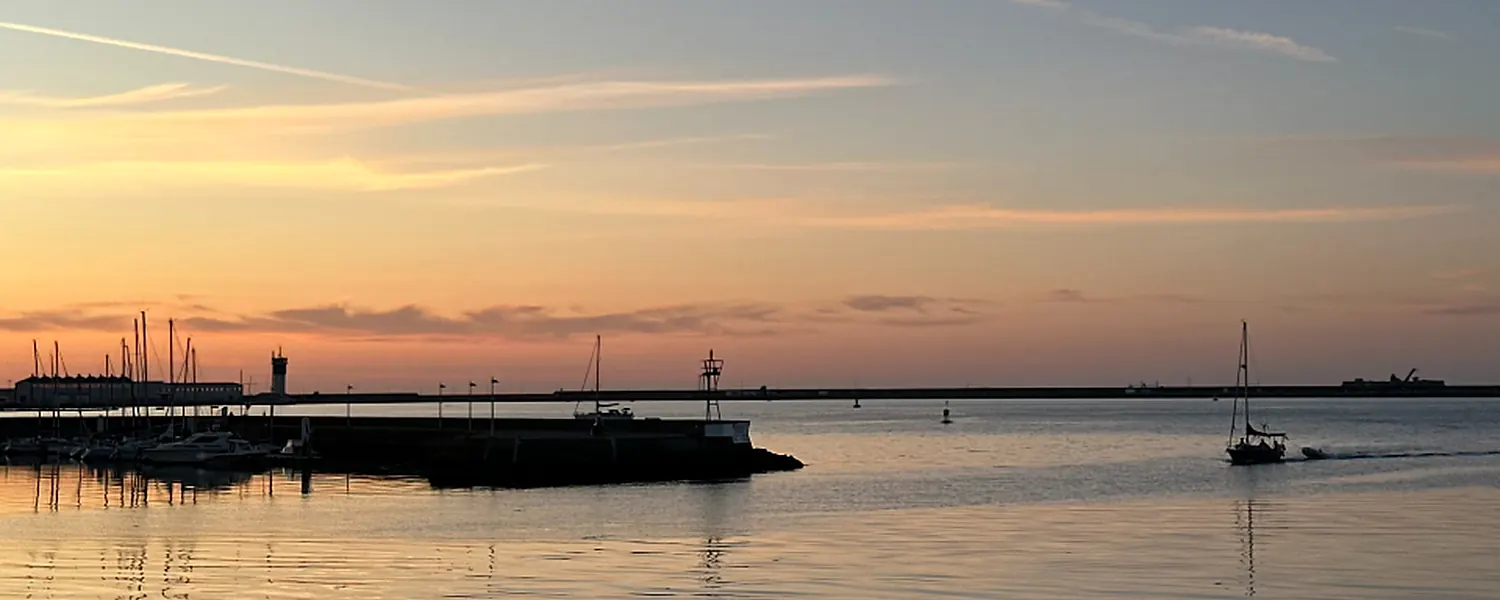
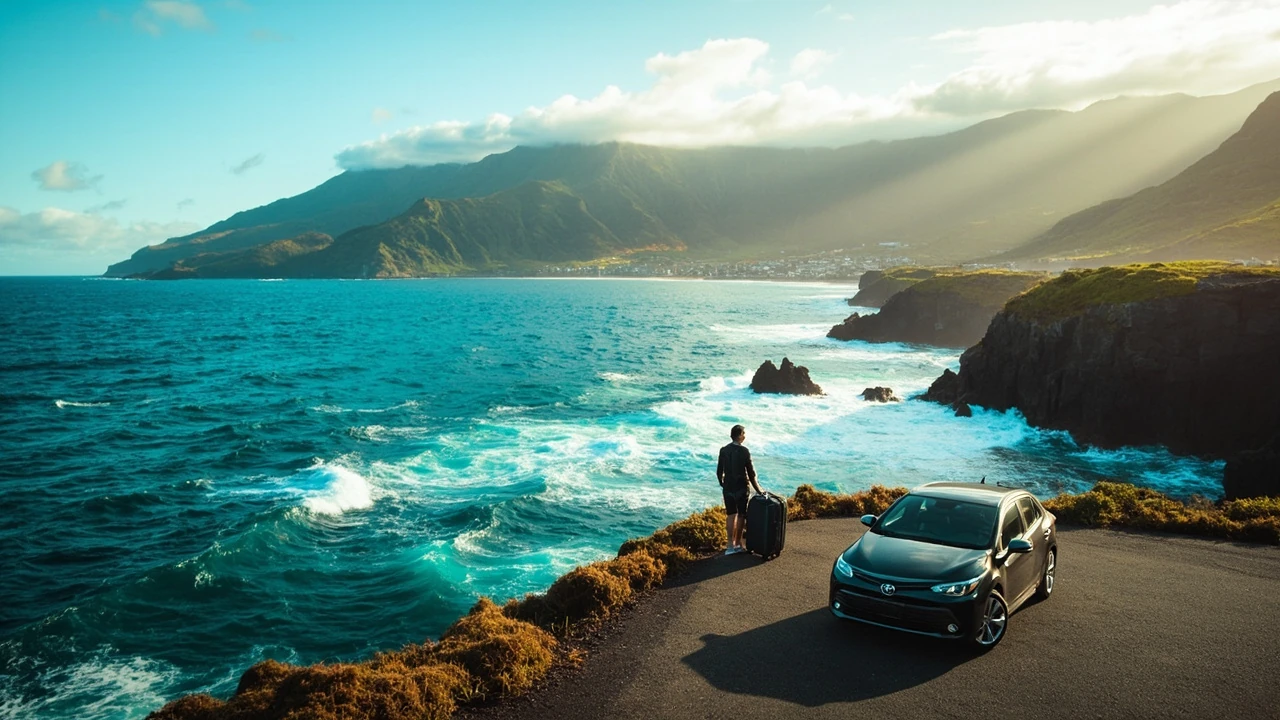
Yes. Hawaii is one of the 50 states in the United States, with Honolulu as its capital. It is also a chain of islands in the central Pacific Ocean, which is why questions about its political status and geography often produce different parts of the same answer: the islands are geographically separate from the continental United States, but they are fully part of the country.
Is Hawaii in the United States? The short and complete answer
The simplest answer is yes. Hawaii became a state of the United States on August 21, 1959. It has a state constitution, an elected governor, a state legislature, state courts, local governments, and representation in Congress. Its residents are United States citizens when they meet the legal requirements for citizenship, and Hawaii is subject to both federal law and Hawaii state law.
Hawaii is not an independent country, an overseas territory, or a possession of another nation. It is sometimes called an island state because its land is separated from the mainland by ocean, but political membership does not depend on physical proximity to the other states. Alaska is also separated from the lower 48 states, and no one normally treats Alaska as outside the United States for the same reason.
For travelers, Hawaii feels distinct in several practical ways. A trip from the mainland usually involves a long flight rather than a road trip or train ride. The state has its own state parks, counties, local rules, and cultural traditions. It also uses the U.S. dollar, speaks English alongside Hawaiian, and follows many federal travel and consumer rules that apply elsewhere in the country.
Understanding the distinction between statehood and geography answers most basic questions before you start planning. Hawaii belongs politically and legally to the United States, while its island geography creates a different travel experience from the mainland.
What Hawaii’s statehood means for laws, government, and citizenship
Hawaii’s statehood means that the state participates in the United States constitutional system. The state government handles matters such as state courts, education systems, public health regulations, licensing, state roads, and local elections. Federal law continues to apply in areas including immigration, aviation security, firearms, taxation, interstate commerce, and federal benefits.
The state elects its own governor and legislature. It also sends senators and a congressional representative to Washington, D.C. A For additional context, historical list of United States senators from Hawaii records that the state has participated in Senate elections since admission and identifies its current senators at the time of that reference.
Statehood also means there is no separate foreign passport or immigration process when you fly from California, Texas, Florida, or another U.S. state to Honolulu. Travelers still pass through normal airline security and arrive as domestic passengers.
There are still important differences between traveling to Hawaii and traveling within the continental United States:
- Flights generally cross an ocean rather than follow a land route.
- Entry rules for travelers arriving from another country can differ from the process used for a domestic flight.
- State and local rules apply, just as they do in other states, although certain laws may differ from mainland rules.
- The islands have their own ecosystems, hazards, cultural practices, and environmental guidelines.
The United States also includes territories such as Puerto Rico, Guam, the U.S. Virgin Islands, and American Samoa. These territories have different legal relationships with the federal government, so travelers should not treat the word “American” as a complete description of every location’s political status. Hawaii’s status is more straightforward: it is a state, not a territory.
Hawaii’s political status should also be separated from the history and continuing cultural identity of Native Hawaiians and the Hawaiian people. Statehood occurred relatively recently, and questions about Hawaiian sovereignty, land, language, and self-determination remain meaningful issues. Recognizing Hawaii as a U.S. state answers a factual question without erasing the distinct history of the islands or the rights and claims of its Indigenous people.
Hawaii as a state versus Hawaii as a geographic destination
“Hawaii” can refer to two related but different things in conversation. As a state, it includes all the islands and waters under Hawaii’s jurisdiction. As a travel destination, it is often used more loosely for the islands that receive most visitors. When a traveler says they are going to Hawaii, they may mean Oahu, Maui, the Big Island, Kauai, or a combination of islands.
This distinction matters when comparing destinations. Honolulu, for example, is the state capital and the main gateway for many visitors, but it is only one part of the state. Staying on Oahu gives convenient access to Honolulu, Waikiki, the Pearl Harbor area, and other urban and coastal attractions. Travelers who choose Maui or Kauai will encounter a smaller-island pace and landscapes shaped by different volcanic histories.
| Question | Short answer | What it means in practice |
|---|---|---|
| Is Hawaii in the United States? | Yes. | It is the 50th state and follows both federal and Hawaii state law. |
| Is Hawaii part of the continental United States? | No. | The state is in the central Pacific, not on the North American continent. |
| Is Hawaii a foreign country? | No. | It is a U.S. state with the same national government framework as other states. |
| Is Hawaii an unincorporated territory? | No. | Unlike several Pacific territories, Hawaii has full statehood. |
| Do you need a passport to fly from the mainland? | No. | A domestic flight does not require a passport or another international travel document. |
| Does visiting Hawaii feel like a domestic trip? | It is legally domestic, but geographically distant. | The flight is long, and island-specific logistics shape the experience. |
Geographic separation also affects the cost and effort of getting there. A traveler cannot drive or take a train from the mainland. The journey is almost always by air unless arriving aboard a ship. That distance generally makes Hawaii more expensive and time-consuming than many nearby destinations, but it also creates the state’s distinctive island atmosphere and limits.
The best way to describe Hawaii without confusing political status and geography is: “Hawaii is a U.S. state located in the central Pacific Ocean.” That sentence covers both facts.
Choosing among Hawaii’s main islands
Hawaii is not a single destination with one uniform experience. Its larger islands differ in climate, activities, transport links, and the kinds of places visitors usually want to see. Choosing the right island—or combining two—can prevent a trip built around the wrong expectations.
| Island | Best-known visitor areas | Travel character | Good reasons to choose it |
|---|---|---|---|
| Hawaii, the Big Island | Volcanoes National Park, Kona, Hilo, Mauna Kea visitor areas | Large and geographically varied | Volcanic landscapes, outdoor adventures, astronomy, and a quieter atmosphere |
| Maui | Kaanapali, Lahaina area, Hana, Haleakala, Molokini | Mix of resort areas and scenic drives | Scenic roads, beaches, whale watching during the appropriate season, and varied activities |
| Oahu | Honolulu, Waikiki, Pearl Harbor, North Shore, Kailua | Most urban and easiest for first-time visitors | Broad mix of food, culture, beaches, shopping, history, and excursions |
| Kauai | Waimea Canyon, Na Pali Coast, Hanalei, Poipu | Quieter, green, and strongly associated with the Garden Isle | Natural scenery, hiking, kayaking, and a slower pace |
| Molokai | Kalaupapa, remote coast, rural communities | Minimal tourism and fewer major services | Travelers seeking solitude and a less developed destination |
| Lanai | Cooke Inlet, Hulopoe, upland areas | Small, secluded, and lightly developed | Peaceful scenery, whale watching, and limited resort-style travel |
Oahu is a practical choice for a first visit because it offers the widest range of activities and the most developed transportation network outside the island. A traveler who wants dramatic scenery, road trips, and outdoor recreation may prefer Maui, Kauai, or the Big Island instead.
Before booking a flight, make a simple island plan:
- List the activities that matter most, such as food, diving, hiking, surfing, historical sites, or a quiet resort.
- Compare the island with the length and demands of your trip.
- Check whether you want one base or several bases; moving hotels adds transport time.
- Confirm that flights and ground transfers fit together without making the schedule excessively complicated.
- Leave some flexibility for weather, ocean conditions, and missed activities.
Visitors should not expect every island to offer the same range of nightlife, shopping, or scheduled excursions. A destination that feels developed on Oahu can feel remote on Molokai or Lanai. That contrast is one of the state’s defining travel features.
Entry documents and flights for a Hawaii trip
The documents required to enter Hawaii depend on where the trip begins, not simply on the fact that the destination is Hawaii. A traveler flying directly from another U.S. state is taking a domestic route. A traveler arriving from another country must satisfy the entry rules that apply to their citizenship, itinerary, and any transit countries.
United States citizens and permanent residents can generally use valid government-issued identification for domestic flights and do not need a passport merely to board a plane bound for Honolulu. Passport or other documentation requirements may still apply when returning to or departing from a foreign country. Travelers with expired documents should verify whether they can be used for the specific itinerary rather than assuming that domestic arrival removes every issue.
International visitors should confirm the following before booking:
- Whether a valid passport is required for the United States and for any transit country.
- Whether the passport must remain valid beyond the date of arrival or departure.
- Whether a visa, authorization, or other entry document applies to the traveler’s nationality.
- Whether the itinerary requires a connection in another country, which can trigger separate rules.
- Whether the airline has specific document and name-matching requirements.
Many mainland visitors reach Honolulu through a connecting flight. That connection may happen in another U.S. airport or, for some international itineraries, at an overseas gateway. Each airport does not change the final fact that Hawaii is a domestic destination, but international transit can introduce rules unrelated to Hawaii itself.
A simple document checklist reduces the risk of a disrupted trip:
- Confirm the exact name on the ticket matches the travel document.
- Check the passport expiration rule for every international segment.
- Carry the identification required for domestic flights and any additional documents required overseas.
- Store copies separately from the physical originals.
- Check the airline’s current baggage, mobility assistance, and travel-credit policies.
Travel insurance can also be useful because the distance from the mainland limits practical alternatives if a flight is canceled. Flexible tickets may be more valuable than a small nominal saving during a peak travel period. Policies vary, so compare coverage for trip interruption, medical care, weather disruption, and lost baggage instead of looking only at the premium.
Driving, money, time, and communication on the islands
Getting around Hawaii depends strongly on the island. Oahu has the most extensive road and public transportation network, while other islands may require a rental car to reach major attractions. Maui has a ring road connecting many populated areas, but a drive between distant points can take much longer than a map distance suggests. On Kauai, roads can be narrow or winding, and some coastal areas are reached by limited-access roads that may have restrictions or closures.
Drivers should remember that the United States drives on the right side of the road, speed limits and signs use miles, and distances are generally discussed in miles rather than kilometers. Rental vehicles often have smaller tanks than travelers expect in other markets. Refueling early is sensible when exploring remote areas, particularly when returning late in the day.
There is no state sales tax, but local and state taxes can apply to hotels, rental vehicles, restaurant meals, and other purchases. Hawaii uses the U.S. dollar, so visitors do not need to exchange currency when arriving from another state. Prices can vary substantially by island and neighborhood, with the most expensive visitor services often concentrated in major resort and tourism areas.
Hawaii Standard Time applies throughout the islands. The state does not observe daylight saving time, so clocks generally remain on the same schedule year-round. When comparing a Hawaii flight with a trip on the mainland, remember that the relevant calculation is the time difference between the two locations, not simply the time displayed when the booking was made.
| Planning issue | Hawaii-specific point to verify | Why it matters |
|---|---|---|
| Currency | The U.S. dollar is used. | No currency exchange is needed for a domestic trip, though card fees may vary. |
| Time | Hawaii Standard Time does not change for daylight saving time. | Check the time difference when connecting flights or joining remote activities. |
| Getting around | Public transit is most extensive on Oahu; other islands often benefit from a car. | Transportation choice can affect both cost and which places are practical to visit. |
| Road travel | Distances are in miles, driving is on the right, and remote routes can have limited fuel and service. | Allow realistic travel time and avoid depending on a late-afternoon gas station. |
| Connectivity | Mobile coverage can vary in remote and high-elevation areas. | Download maps and keep a backup plan for activities without dependable service. |
| Payments and prices | Taxes can be added at checkout, and prices vary by island. | Compare the final cost rather than relying only on an advertised base rate. |
Cell coverage is generally good in developed and popular areas but can become inconsistent in remote coastal regions and some national park landscapes. Mapping applications can help, but a downloaded map is more dependable than a signal-dependent one. Travelers participating in guided or self-guided activities outside main towns should review the operator’s communication instructions.
Weather, volcanic areas, and responsible travel planning
Hawaii’s tropical location does not eliminate seasonal risk. Rain can arrive as brief, heavy showers, and weather systems can affect flights and ocean activities. The islands also sit in an active volcanic region. Some eruptions and lava flows are monitored and may be restricted for safety, while the underlying geological processes remain part of the state’s natural environment.
Visitors to Volcanoes National Park should follow park closures, viewing guidance, and warnings from National Park Service staff. The park contains active volcanic areas, but viewing rules can change as conditions change. A feature visible from a trail or overlook may also be inaccessible because of weather, smoke, geological activity, or maintenance.
Ocean conditions deserve equal attention. Hawaii’s beaches are beautiful, but surf, rip currents, and changing shore conditions can create real hazards. Lifeguarded beaches can offer the safest introduction for many swimmers, though even there visitors should follow posted instructions. Snorkeling and boating require suitable conditions, flotation where appropriate, and respect for reefs and marine wildlife.
Travelers can prepare by checking official park, weather, and transportation notices shortly before each activity. Local Civil Defense alerts may provide information about weather hazards, volcanic activity, or other emergencies. Sign up for official updates if your accommodation offers a reliable way to receive them.
Responsible travel also matters in fragile environments:
- Stay on marked paths and obey temporary closures in sensitive habitat.
- Do not collect shells, rocks, coral, or other natural objects.
- Keep distance from wildlife and never feed animals.
- Use reef-safe practices by avoiding sunscreen products known to harm coral.
- Carry out waste and respect cultural and community guidelines.
- Observe restrictions around native Hawaiian species, sacred places, and culturally sensitive sites.
These points are not separate from trip quality. Visitors who understand the islands’ limits often have a more rewarding experience because they arrive prepared for heat, rain, elevation, uneven trails, and changing ocean conditions rather than treating every disruption as a surprise.
Common misconceptions about Hawaii and the United States
Most confusion about Hawaii comes from mixing political status with geography or from outdated ideas about the islands. Correcting a few common misconceptions helps travelers make more accurate plans.
- “Because it is an island, Hawaii must be separate from the United States.” It is an island state, but its political status is the same as the other 50 states.
- “A passport is always required for Hawaii.” A domestic traveler from another U.S. state generally uses valid identification rather than a passport.
- “Hawaii is the same as Honolulu.” Honolulu is on Oahu, one of several major visitor destinations in the state.
- “Every Hawaiian island is warm, sunny, and suitable for swimming all year.” Conditions vary by island, season, elevation, and coast. Rain, rough surf, and heat all affect planning.
- “There is one universal Hawaii itinerary.” The best itinerary depends on whether the priority is urban dining, beaches, hiking, road trips, nature, or relaxation.
- “A tropical location means there are no natural hazards.” Hawaii has weather hazards, ocean risks, and active volcanic processes that require attention.
- “Statehood means Hawaii’s Indigenous history is unrelated to the rest of the country.” Statehood is a current legal fact; it does not erase the islands’ distinct cultural history or the continuing significance of Hawaiian language, land, and sovereignty.
It is also worth distinguishing Hawaii from other places often described as “American.” Guam, Puerto Rico, American Samoa, and the U.S. Virgin Islands each have different constitutional arrangements. Hawaii should not be grouped with them simply because all are connected politically to the United States.
For a short planning session, use this sequence:
- Confirm that Hawaii is the destination you mean, including the island or islands.
- Decide whether the trip is domestic or international before checking documents.
- Choose activities before choosing a resort area.
- Build transportation time into the schedule.
- Check weather, ocean, and park conditions before excursions.
- Keep one flexible day or flexible option where possible.
That process turns the political question into useful travel planning rather than treating “Is Hawaii in the United States?” as merely a trivia question.
A practical Hawaii checklist for first-time visitors
Most of the uncertainty surrounding a Hawaii trip disappears when a few basic decisions are made in the correct order. Begin with geography, then documents, then island selection, transportation, and activities. Booking everything at once can produce a technically valid itinerary that does not fit together well.
Use this checklist before making nonrefundable plans:
- Define the trip length: Include arrival and departure days when judging whether an island transfer is worthwhile.
- Select one or two islands: Adding a third island may reduce the time available for the first two.
- Match the base to the activities: Choose a lodging area based on daily plans rather than only on beach proximity.
- Check documents for every flight segment: Domestic connections and international transit can have different rules.
- Plan ground transportation: Research parking, shuttle availability, and realistic drive times.
- Check activity conditions: Review surf, weather, elevation, trail, and volcanic guidance before the day of an excursion.
- Ask about fees: Look for parking, resort, facility, equipment, and reservation charges that may not appear in a headline price.
- Carry appropriate clothing: Light layers, sun protection, footwear for the planned activity, and a compact rain layer can handle most conditions.
- Protect the trip: Review travel insurance and flight-change rules, especially when ocean or weather conditions affect excursions.
- Learn local customs: Follow posted rules, respect cultural sites, and treat reefs and wildlife as living environments.
For travelers who enjoy comparing different national parks and destinations, these broader planning ideas in The Grand Tetons: What to Know Before Your First Trip can also help with questions about access, seasonal conditions, and choosing the right base. For a wider look at planning priorities across another country, Top Tourist Attractions in Italy: The Places Worth Your Time offers a useful contrast between a compact island chain and a larger destination shaped by multiple regions.
The most important takeaway is that Hawaii combines two truths. Politically and legally, it is fully in the United States. Geographically and culturally, it is a distinctive island state whose travel decisions deserve more thought than a typical weekend trip on the mainland.
Frequently asked questions
Is Hawaii in the United States or in the Pacific?
Both descriptions are correct but refer to different things. Hawaii is legally one of the United States, while its location is in the central Pacific Ocean. It is a U.S. state surrounded by Pacific water, not a separate country.
Is Hawaii part of the continental United States?
No. The continental United States, often called the lower 48, consists of the states on the North American mainland. Hawaii lies in the Pacific and is reached primarily by air or sea.
Do you need a passport to travel to Hawaii from another U.S. state?
No passport is needed merely for the domestic flight from another U.S. state. Travelers generally present valid government-issued identification. A passport may still be required for an international flight before or after Hawaii, including for transit through a foreign country.
What language is spoken in Hawaii?
English and Hawaiian are the official state languages. Most visitors will find English sufficient for travel, hotels, restaurants, and attractions, while Hawaiian names and phrases appear throughout the islands and remain part of the state’s cultural identity.
What currency does Hawaii use?
Hawaii uses the U.S. dollar. A visitor arriving from another American state does not need to exchange currency. Hotels, restaurants, rental vehicles, and other services may add local or state taxes, so compare final checkout totals when budgeting.
Is Hawaii expensive to visit?
It can be, especially because long-distance airfare and resort pricing raise the total cost of a trip. Expenses also vary by island, neighborhood, and activity. Travelers can control some costs by choosing a less expensive base, traveling outside peak periods where practical, cooking occasionally, and comparing attraction and transportation options.
Can you visit Hawaii without renting a car?
Yes, particularly on Oahu, where public transportation and guided tours can cover many major sights. Other islands are less dependent on cars, but some beaches, hikes, restaurants, and viewpoints are inconvenient or impossible to reach without a car. Plan by island rather than assuming one transportation approach works everywhere.
How long should a first trip to Hawaii last?
Most first-time visitors benefit from several full days, with at least one week providing a more comfortable balance of activities, transport, and unplanned time. The ideal length depends on whether you stay on one island, add a second island, or prioritize a short resort stay. Moving between islands consumes a substantial part of the available time.
Is Hawaii safe to visit?
Hawaii welcomes millions of visitors and has established tourism services, but no destination is risk-free. Travelers should prepare for heat, sun exposure, changing ocean conditions, rip currents, flash flooding, and occasional severe weather. Following official alerts, lifeguard instructions, and park closures is essential. Active volcanic areas and natural hazards should always be approached according to current public guidance.
Do visitors need special permission to visit sacred or culturally significant places?
Rules vary by site. Some culturally sensitive locations restrict access, photography, or entry to certain areas. Posted instructions and directions from local guides or site staff should always be followed. When visiting a heiau, burial site, native habitat, or community cultural area, behave quietly and avoid touching or removing anything from the site.
Leave a Reply