
Ho Chi Minh Vietnam: How to plan a first trip
A first visit to ho chi minh vietnam is easiest to enjoy when you treat the city as a collection of neighborhoods rather than a single checklist of attractions. A morning might begin with coffee and banh mi near a busy intersection, followed by the tunnels and a shaded temple in the afternoon. By evening, you could be eating noodles beside a canal or watching traffic fill a square lined with French-colonial buildings. The distance between these experiences can be short, but the pace, sounds, and street life change noticeably from one district to the next.
This guide covers the practical decisions that shape a good first trip: when to visit, where to stay, how to move around, what to eat, which sights deserve more than a quick stop, and how to avoid common planning mistakes. It is written for visitors from the United States, although the advice applies to most international travelers. Entry requirements, transportation schedules, prices, and opening times can change, so confirm any details that determine your booking directly with the relevant Vietnamese authorities or operators.
Ho Chi Minh City is large, busy, and administratively complex. The historic center is compact enough for many travelers to explore on foot, yet other worthwhile places require a car, motorcycle taxi, bus, or other local transport. That mix can be frustrating if you expect a compact European-style city center. It becomes easier when you choose one home base, identify the districts that match your interests, and plan a few longer journeys rather than trying to cross the entire city every day.
When to visit and how long to stay
Ho Chi Minh City has two broadly distinct rainy and dry seasons, with the southern climate making the transition less dramatic than it may appear in travel guides. The wet portion of the year commonly begins around May and extends into October, while the drier period runs roughly from December through April. Rain often arrives in short, heavy bursts rather than as continuous weather for an entire day. A folding umbrella, light waterproof layer, and shoes that tolerate wet pavement can make the difference between an inconvenient walk and an enjoyable one.
December through February generally offers drier conditions, but they can also bring heat, haze, and heavier traffic around the central districts. March and April are often pleasant but may be increasingly humid. The southern rainy season overlaps with several major public holidays, when domestic travelers may also visit the city. If you value quieter streets, simpler hotel availability, and fewer crowds at major landmarks, the edges of those periods can be worth considering. If your schedule is fixed, concentrate on indoor activities during the middle of the day and save walking tours for cooler mornings.
Most first-time travelers benefit from three full days in the city. Two days are possible for a focused weekend that emphasizes the historic center, a market, and a few major sights. Four or more days allow time for a quieter residential neighborhood, a longer food excursion, and a day trip without turning the visit into a rushed checklist. Longer stays can also make it easier to adjust for heavy rain or an unexpectedly busy traffic day.
| Trip length | Good use of the time | Planning approach |
|---|---|---|
| Two days | Central landmarks, one museum, a market meal, and an evening food district | Stay near District 1 and use taxis for anything outside walking distance |
| Three days | The main historical sights plus one less familiar neighborhood and a local attraction | Group nearby stops geographically and leave one flexible half-day |
| Four to five days | A slower visit with a day trip and more time for food, shops, and weather | Add one outer district without trying to cover every attraction |
| A week or longer | Detailed neighborhood travel, deeper food exploration, and regional connections | Choose a central hotel for the first few nights, then consider a secondary base |
A practical rule is to reserve accommodation near the first and last night of your trip, then remain in the same area if possible. Moving hotels for a single outing adds packing, transport, and check-in time without much benefit. If you need two bases, split the stay by function rather than by a vague desire to see “more of the city.” One area can serve the first sightseeing days, while another may suit travelers who prefer a quieter pace near parks, cafés, or local markets.
Where to stay for a first visit
District 1 contains most of the famous sights and is the easiest place for a short trip. Walking around the historic center, eating at late-opening food stalls, and taking short car rides are usually convenient from here. The tradeoffs include traffic, higher accommodation rates, and a nighttime atmosphere that may feel less locally residential. First-time visitors who want easy access and fewer transport decisions will generally find the extra convenience worthwhile.
For a slower trip, look just beyond the busiest center in places such as District 3, District 4, or selected parts of Binh Thanh. These areas provide access to independent coffee shops, neighborhood markets, parks, and smaller restaurants without requiring a long daily commute. The exact character varies block by block, so a property near a major intersection or busy boulevard may not provide the quiet retreat that its listing implies. Read recent reviews with attention to noise, air conditioning, hot water, and staff responsiveness rather than focusing only on the distance from a landmark.
Ben Thanh Market and the surrounding streets are convenient, energetic, and close to restaurants, museums, and the central business district. The area is also busy. Travelers sensitive to noise may do better on a side street or farther from the market. By contrast, staying near a major highway can make car pickups convenient but may expose the room to constant traffic. A central location still works for a short visit; simply ask for a room facing the courtyard or an upper floor if quiet is important.
When comparing a hotel, check more than the star rating or headline price. Useful operational details include whether the room has reliable air conditioning, whether the elevator works late at night, whether luggage can be stored before check-in, and how the property assists with airport transfers. Air quality can also affect comfort during the warmer or more humid parts of the year. Ask for current air-quality guidance from public health or local authorities rather than relying on an outdated map.
- Best for a short trip: District 1 near the major historical sights, with easy taxi access.
- Best for slower travel: a residential pocket in District 3 or District 4, close to a café but away from major intersections.
- Best for food-focused visitors: an area with many independent restaurants and a late-evening street life, based on current neighborhood conditions.
- Best for families: a property with a reliable pool, elevators, breakfast options, and enough space for luggage.
- Best value approach: compare the total journey time to your main sights, not only the nightly rate.
For a first visit, staying three nights is often enough to learn the city without turning the accommodation decision into a major project. Spend those nights in one well-connected location, then adjust only if there is a clear reason. A base that reduces daily travel will usually create more sightseeing time than a cheaper room in a distant corner of the city.
Getting around without losing time
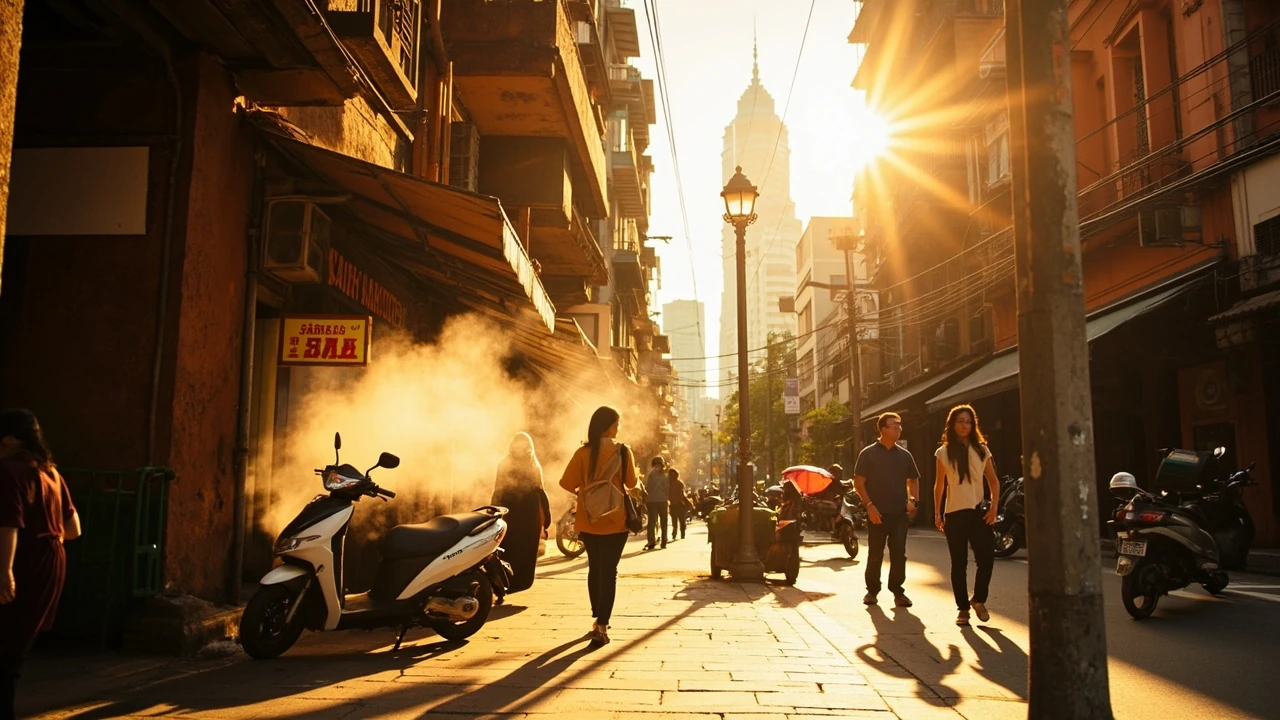
Traffic can be the most immediate adjustment for many visitors. Motorbikes may occupy several lanes of space, lane markings can be unclear, and large vehicles may stop in places that look impractical to drivers from the United States. Rush periods are busiest, particularly on major approaches to the center. The best response is not to understand every traffic rule from memory, but to allow extra time, keep valuables out of sight, and use a mix of walking and reputable vehicles.
Walking is the most efficient way to explore the compact historic center. Wear shoes with good grip, carry water, and expect broken pavement, curbs, and crowded pavements. Short rides in a taxi or ride-hailing car work well for attractions spread across districts. Always confirm the destination in the app or with the driver, and check that the agreed route matches your intended destination if the vehicle must take an unusual detour.
Motorcycle taxi drivers are common, but they are not the right choice for every traveler. Helmets, confidence, physical comfort, luggage, and traffic conditions all matter. Passengers who are uneasy on a motorcycle should use a car or a larger motorbike taxi that can accommodate them safely. If you carry a backpack, keep it close to your body and away from the side of the vehicle. Helmet use should follow local law and current local guidance.
Public buses and other forms of mass transit can lower costs and reduce time stuck in traffic, but routes and payment systems may not be intuitive for a short visit. Metro service has expanded, yet its usefulness depends heavily on where your accommodation and destinations sit. Check the current network, operating hours, and station access before relying on it. Do not build a tightly timed connection around a train you have not confirmed for the day of travel.
| Travel method | Best for | Main limitation |
|---|---|---|
| Walking | Adjacent sights, the historic core, markets, and short meals | Heat, rain, uneven pavement, and luggage |
| Taxi | Door-to-door travel and cross-district sightseeing | Traffic can make short journeys take longer than expected |
| Ride-hailing car | Planned pickups, airport transfers, and avoiding a street-hail wait | Availability and pricing can vary by time and location |
| Motorcycle taxi | Travelers who are comfortable riding and carrying little luggage | Safety, weather, and comfort are individual concerns |
| Public transit | Travelers comfortable with local routes who want to avoid car traffic | Transfers may be slower than a direct car ride |
Use a simple daily routing method. Identify one anchor attraction in the morning, add a nearby meal or market, and then choose a second area for the afternoon. Send your destination to the driver before departure and avoid accepting unsolicited rides from people who approach with a vehicle. Keep a screenshot of your hotel address in Vietnamese as well as English, and carry a local SIM or an active roaming connection when arranging pickups.
Airport transfers should be arranged through a reputable operator or a recognized ride-hailing service when possible. Confirm the terminal, pickup point, vehicle type, and expected payment method before leaving the airport. During heavy traffic, schedule extra time between the flight and a meeting or tour. The distance on a map does not account for the delay created by every intersection on the route.
Attractions worth planning instead of rushing
The famous sights in the center are easy to find, but the strongest visit comes from understanding where they sit in relation to one another. The Independence Palace, the War Remnants Museum, the Notre Dame Cathedral area, the Central Post Office, and the riverside are all connected by streets that reward walking. Their current access arrangements and operating hours should be checked shortly before visiting. A museum or historical site may change admission procedures, close sections, or require identification that you do not want to discover at the entrance.
The War Remnants Museum is one of the city’s most visited sites because it presents the history of the Vietnam War from the perspective of the country and its people. The subject can be emotionally demanding. Allow enough time to read the displays rather than rushing through the building, and consider whether the current exhibit content suits every member of your group. Photographs and visitor rules can change, so leave your phone in the designated area if required.
The For additional context, Cu Chi Tunnels offer a different look at the war through a former guerrilla base. Because the site lies outside the center, it works well as part of a longer trip rather than a hurried stop. The return journey can consume a significant part of the day. If you choose this route, verify current tour arrangements, transport inclusion, walking requirements, and site access before booking.
For a broader view of the city, climb a high floor in one of the central towers and look for the contrast between the dense low-rise center, newer development, canals, and the distant horizon. A skyline view provides orientation, but it does not replace time spent at street level. The details that many visitors remember are smaller: shaded balconies, market produce, motorbike parking, neighborhood coffee shops, and the way a busy lane becomes quiet two streets inland.
For attraction planning, the official Vietnam tourism site provides a useful starting point for the city’s broader appeal and regional context. Its destination material is especially helpful before deciding whether to devote a day to a distant site or spend that time in the center. Verify specific schedules and reservations independently rather than assuming every listing is open or operating as described.
One more worthwhile stop for travelers interested in education and culture is the university system, rather than treating the city as having only colonial landmarks and nightlife. The background on the university’s history and member institutions offers a different perspective on the role of higher education in the city’s development. Campus access is separate from general sightseeing: do not enter restricted areas, attend classes uninvited, or photograph people without permission.
What to eat and how to order without overcomplicating it
Ho Chi Minh City is often described through its street food, but restaurant choices extend far beyond noodle stalls and takeout counters. The most useful approach is to eat at places with a clear turnover of local customers, clean preparation space, and food handled at the appropriate temperature. Choose according to the food you want, not merely because a stall looks dramatic or has a long line of visitors.
Start with a bowl of pho if you want a warm, broth-based meal, but recognize that regional styles and individual restaurants can differ. Banh mi combines a crisp baguette with a mixture of meats, pickled vegetables, herbs, and chili, making it a good choice for a quick lunch. Com tam means broken rice and often comes with grilled pork, egg, vegetables, and a savory broth. For a lighter meal, bánh hỏi or similar rice dishes can be less heavy than a large noodle bowl.
Many breakfast shops specialize in one or two items rather than serving a broad menu. A good sign is a small menu, visible preparation, and a steady stream of customers who order quickly. Street-side seating is common and can be minimal, so carry tissues and be prepared to share narrow tables. Food allergies can be harder to manage than in restaurants with English-language menus and ingredient lists. Ask for details in advance, and do not assume a dish is safe because it appears vegetarian.
- Choose one food per meal: save room for a second stop or dessert instead of ordering several dishes immediately.
- Eat where turnover is steady: freshness and efficient service often matter more than elaborate menus.
- Carry small payment basics: cash can be useful at small businesses, while cards and mobile payments work in many visitor-oriented locations.
- Ask before photographing food vendors: a quick gesture and respectful distance are better than assuming every image is welcome.
- Use sealed water: this is especially important if your stomach is sensitive to changes in water and food.
A useful tasting strategy is to begin with something familiar, then try one unfamiliar dish. You can order a smaller portion and share it with a companion rather than committing to a large unfamiliar meal. Vegetarian food is available, but sauces and broths may contain animal products. Restaurant menus in English can simplify ordering, while a photo menu or a phrase book helps at small local shops. Asking for less chili and requesting a separate chili sauce gives many travelers more control.
Street food is part of the dining landscape, not a test of a visitor’s willingness to sit on a tiny plastic stool. A clean indoor restaurant, a market with a seated food area, or a hotel breakfast can be equally rewarding. Choose the atmosphere that suits your trip. Plenty of travelers eat well without eating exclusively at the most famous stalls.
Entry, money, health, safety, and local etiquette
Check your passport validity, visa or visa-exemption eligibility, and the latest entry requirements before buying nonrefundable tickets. Rules depend on your citizenship, passport, itinerary, and the purpose of travel. Use official Vietnamese immigration information and your airline or consular resources rather than relying on an old forum answer. Leave a margin for a flight delay or a change in transit arrangements, especially if your onward travel is booked soon after arrival.
Vietnam uses the Vietnamese dong, and exchange conditions can shift. For a short visit, withdrawing a modest amount of local currency after arrival is often easier than carrying unfamiliar notes, while keeping some cash for small businesses is still useful. Compare the actual conversion rate and fees rather than focusing only on a headline exchange figure. Avoid unofficial currency exchange counters that do not provide a receipt or clear terms.
Street food and tap water deserve attention, but everyday precautions are straightforward. Drink sealed water when needed, wash hands before eating, and seek medical advice promptly if you develop persistent symptoms. Pack familiar medications with their original packaging, and check the rules for bringing them into Vietnam. A travel insurance policy that includes medical evacuation can be valuable because serious treatment may involve an international hospital or transport to another country.
Ho Chi Minh City is generally active but not risk-free. Phone snatching and bag snatching can occur in crowded areas, particularly when a visitor is distracted by traffic or a street performance. Keep your phone in your hand rather than holding it loosely at the roadside. Wear a cross-body bag in front of your body, keep valuables separate from your travel documents, and do not leave drinks unattended. Use your judgment around unofficial traffic guides, overly persistent sellers, and anyone claiming to know a closed attraction or a special deal.
Road safety deserves deliberate attention. Motorbike traffic is fast and close, and pedestrian priority is less consistent than in many other countries. Look both ways at every crossing, even on a one-way-looking street, and do not assume a driver has seen you. Rent a motorbike only if you hold the correct license, wear the required protective equipment, and understand local traffic law. Many travelers make better use of their time by hiring a driver for longer sightseeing days and avoiding the risk of an unfamiliar road environment.
Local etiquette is mostly practical and easy to learn. Dress more conservatively at religious sites, remove shoes when requested, and ask before photographing worshippers, vendors, soldiers, police, or ceremonies. A refusal gesture may differ from what you expect, so a courteous verbal explanation and respectful distance are safer than assuming. Bargaining is common in some markets, but not every fixed-price shop is negotiable. Ask for the total before agreeing and do not haggle over a small amount when the item is already inexpensive.
Learn a few useful Vietnamese phrases, even if your trip is short. “Xin chào,” “cảm ơn,” and “xin phép” are useful in different settings. Showing that you have made an effort to be polite can make interactions easier, particularly in markets or small restaurants. English is widely used in central tourism and business areas, but having a translation app helps in outer neighborhoods.
| Before departure | On arrival | During daily travel |
|---|---|---|
| Confirm passport, visa, health, insurance, and onward-travel requirements | Keep the hotel address, airport transfer, and first-day transport ready | Carry only the cash and cards needed for the day |
| Download offline maps and translation resources | Locate a pharmacy, ATM, convenience store, and quiet meal nearby | Use reputable vehicles and agree on destinations before moving |
| Pack breathable clothing, rain protection, and supportive walking shoes | Set an alarm for early breakfast or a market visit | Watch road traffic and keep valuables out of reach |
| Check accessibility needs and current attraction arrangements | Save offline copies of booking confirmations and passport details | Schedule breaks for heat, rain, and meals |
A realistic three-day itinerary
This itinerary is designed to reduce backtracking. It assumes a base in or near District 1, moderate walking, and the use of a car for longer journeys. Adjust it for heat, rain, mobility, and current opening schedules.
- Day one: Historic center and the riverfront. Begin with a local breakfast, then walk through the area around the central post office, cathedral, and Independence Palace. Take a proper break for lunch and hydration. Visit one museum or historical interior in the afternoon, depending on current hours and your interests. Finish near the river with an early dinner rather than committing every evening to the busiest entertainment streets.
- Day two: Markets, neighborhoods, and everyday food. Choose one market in the morning and focus on a small section rather than trying to see every stall. Add a nearby coffee stop, a shaded park, or a local residential lane. Use a car in the afternoon to reach a district that would be inconvenient on foot. Keep dinner simple: choose one restaurant you have researched and, if you still have appetite, add a dessert or drink nearby.
- Day three: A longer excursion. Visitors interested in history may choose the Cu Chi Tunnels with an organized or private journey, allowing adequate travel time on both sides of the visit. Those who prefer the city can spend the morning in a gallery, craft market, or secondary neighborhood and reserve the afternoon for shopping and a final meal. Do not schedule a distant excursion immediately before an international flight; leave a substantial buffer.
If you have a fourth day, use it for the attraction that requires the most travel rather than adding another list of central landmarks. A slower day may also prevent the trip from feeling like a continuous transfer between landmarks. Keep one evening unscheduled so a favorite neighborhood, spontaneous meal, or market can take priority over the itinerary.
Regional context and two related travel reads
Ho Chi Minh City is best understood as a southern Vietnamese city with links to the Mekong Delta, the Central Highlands, Cambodia, and the wider country. It is also different from Vietnam’s northern capital, the central coastal cities, and the northern limestone landscape. Travelers planning multiple stops in Vietnam should avoid trying to compare every region in a single short visit. Each requires time for local food, transport patterns, landscapes, and cultural context.
The site’s wider travel coverage includes a closer look at Myanmar beyond the postcard, which is especially useful for readers who want to understand everyday culture, food, and place rather than only headline landmarks. For a comparison of another fast-growing Asian destination, Guangdong beyond Guangzhou and Shenzhen examines how food and local culture shape perceptions of a major urban region.
Frequently asked questions
Is Ho Chi Minh City safe for first-time visitors?
Most visitors can have a well-planned trip, but normal urban precautions apply. Watch traffic carefully, keep valuables out of sight in crowded areas, use reputable transport, and stay alert around unattended drinks and unofficial guides. A motorbike accident can be a greater risk than violent crime, especially for travelers who are not comfortable riding in local traffic.
How many days should I spend in Ho Chi Minh City?
Three full days provide a good balance for most first-time visitors. Two days work for a focused stay in the historic center, while four or five days allow slower neighborhood travel, more food stops, and a day trip. A long weekend is more comfortable if the city is your only destination.
What is the best area for a first visit?
District 1 is the easiest choice for a short trip because major landmarks and restaurants are close together. Travelers who prefer a quieter pace may consider District 3, District 4, or a suitable part of Binh Thanh, although they will spend more time commuting. Choose a specific side street rather than relying only on a district name.
Do I need a motorbike to get around the city?
No. The central sights can largely be reached on foot, while taxis and ride-hailing cars cover longer distances. A motorbike can save time in some situations, but it adds safety, licensing, comfort, weather, and luggage considerations. Many visitors use cars for sightseeing days and walk for local meals.
What should I eat on my first day in ho chi minh vietnam?
Start with one familiar dish, such as pho, and add a local specialty such as banh mi, broken rice, or a fresh rice dish if you are adventurous. Choose a busy, clean establishment with a visible preparation area. Avoid trying several unfamiliar dishes in one meal, especially if you want to continue exploring afterward.
Is the rainy season a bad time to visit?
Rain does not usually mean that outdoor plans are impossible, but it can disrupt walking and traffic. Many travelers still visit during the wet period because rates or crowds may differ. Carry rain protection, wear shoes with good grip, keep indoor alternatives in mind, and leave more time for vehicle journeys.
Can I visit the main attractions in one day?
You can see the exterior of many central landmarks in a day, but doing so is rushed and leaves little time for museums, meals, or weather delays. Spend one morning in the historic center and use the afternoon for a slower attraction or neighborhood. The main sites are close enough to spread across two days when the schedule feels full.
How should I get from the airport to my hotel?
A prearranged hotel transfer or reputable ride-hailing car is generally the simplest option. Confirm the terminal and pickup area before departure, and use the hotel’s written address to check the route in your maps app. Allow extra time for traffic and keep a light plan for a delayed flight or changed pickup location.
What should I pack for ho chi minh vietnam?
Pack breathable clothing, reliable walking shoes, light rain protection, sun protection, and any regular medication you use. Add a small day bag that keeps valuables close to your body. The final packing list should reflect your accommodation, planned indoor time, and the current forecast rather than assumptions based on another country’s climate.
Leave a Reply